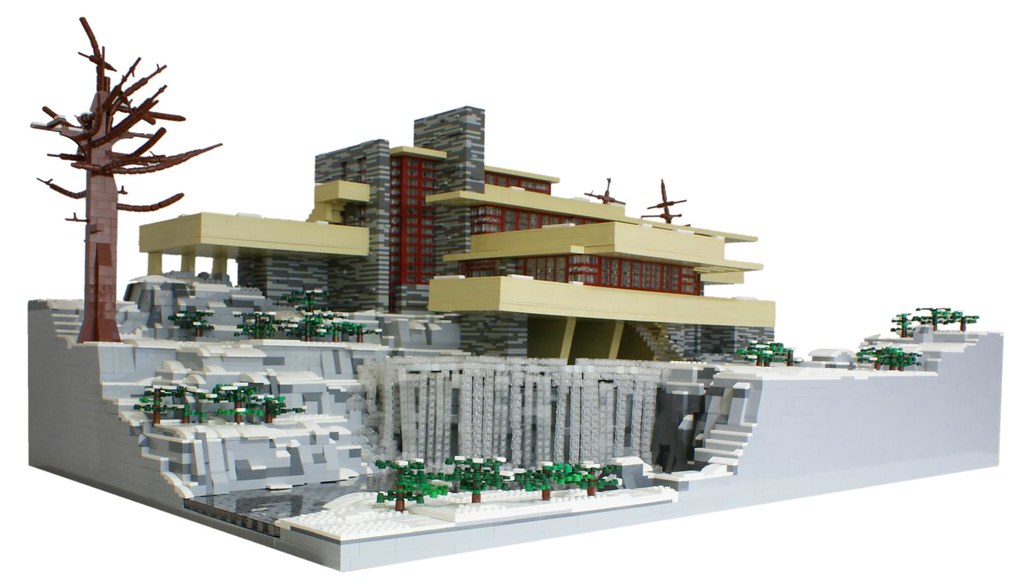
The modern villa is more than a house; it is a philosophy of living that celebrates openness, light, and a seamless connection between indoors and out. Born from the architectural revolutions of the early twentieth century and refined through decades of technological and cultural change, today’s modern villa represents the pinnacle of contemporary residential design. In this article, we explore what defines a modern villa, its historical roots, key architectural principles, design elements, sustainability features, and how it compares to other iconic home styles like the Cozy Cottage and the Beach House.
Defining the Modern Villa
At its core, a modern villa is a single-family residence that prioritizes minimalist aesthetics, functional layouts, and a strong integration with its natural surroundings. Unlike traditional villas that may emphasize ornamentation and formal symmetry, the modern villa strips away excess to focus on clean lines, geometric forms, and the honest expression of materials such as concrete, glass, steel, and wood. The term “villa” itself has ancient roots, originally referring to an upper-class country house in Roman times, but in the modern context it has evolved to denote a spacious, often luxurious home that serves as a private retreat.
What sets the modern villa apart from other contemporary homes is its scale and setting. While a modern apartment or townhouse may share similar design language, the villa typically occupies a larger plot, often with landscaped gardens, terraces, and sometimes a pool. The design is not just about the building itself but about creating an entire environment that enhances the quality of life for its inhabitants. This holistic approach makes the modern villa a favorite among architects and homeowners who value both aesthetic purity and everyday comfort.
Historical Roots and Evolution
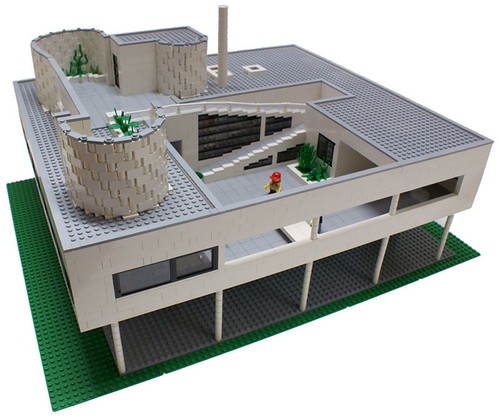
The modern villa emerged from the broader Modernist movement in architecture, which took shape in the early 1900s as a reaction against the ornate styles of the Victorian and Edwardian eras. Pioneers like Le Corbusier, Ludwig Mies van der Rohe, and Frank Lloyd Wright championed the idea that form should follow function, and that buildings should be designed for the way people actually live. Le Corbusier’s Villa Savoye, completed in 1931, is often cited as a seminal example: a white, box-like structure raised on pilotis (columns), with a flat roof terrace and ribbon windows that dissolve the boundary between interior and exterior.
Over the decades, the modern villa has absorbed influences from various regional and cultural contexts. In California, the Case Study Houses of the 1940s and 1950s brought the modern villa to the masses, emphasizing indoor-outdoor living and the use of industrial materials. In Brazil, architects like Oscar Niemeyer and Paulo Mendes da Rocha introduced organic curves and a tropical sensibility. In Japan, the integration of traditional spatial concepts like engawa (veranda) with modern minimalism created a unique hybrid. Today, the modern villa continues to evolve, incorporating smart home technology, advanced sustainable systems, and a renewed focus on wellness and biophilic design.
Key Architectural Principles
Several core principles define the architecture of a modern villa. First and foremost is the concept of open plan living. Walls are minimized, and spaces flow into one another, creating a sense of expansiveness and flexibility. The kitchen, dining, and living areas often merge into a single great room, while private quarters like bedrooms and studies are tucked away for privacy. This layout not only maximizes natural light but also encourages social interaction and a relaxed lifestyle.
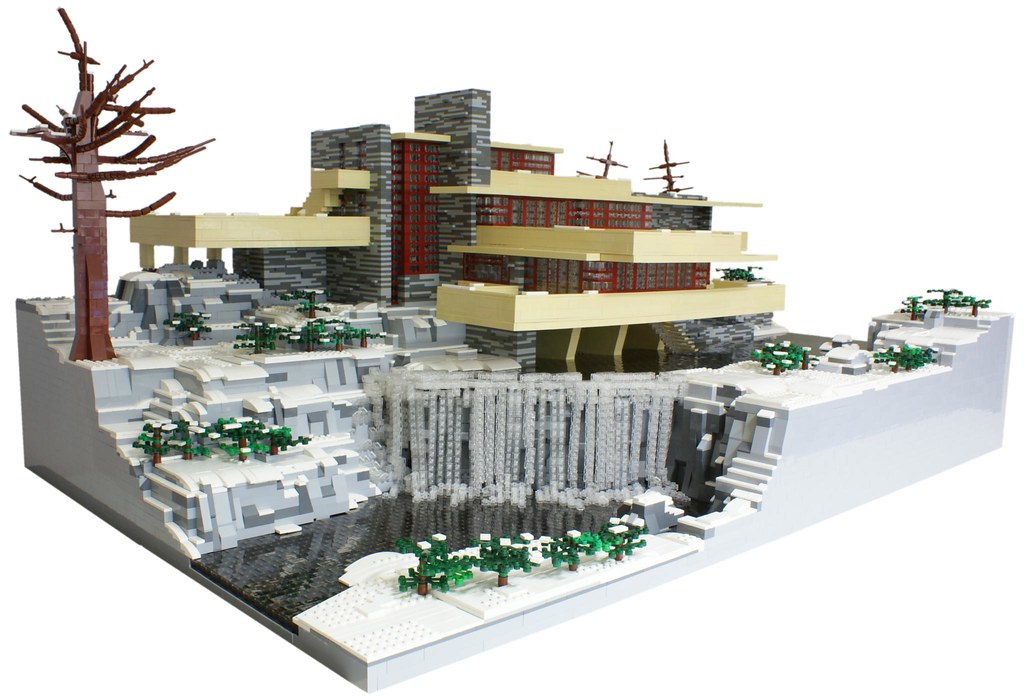
Another fundamental principle is the blurring of indoor and outdoor boundaries. Large expanses of glass—often in the form of sliding or folding doors—open entire walls to patios, gardens, and pools. Cantilevered roofs and deep overhangs provide shade while allowing the landscape to visually enter the home. Materials are chosen for their tactile and visual qualities: polished concrete floors, exposed steel beams, and warm wood accents create a balanced palette that is both cool and inviting. The overall effect is a home that feels like a sanctuary, connected to nature yet thoroughly modern.
“A modern villa is not just a building; it is a carefully orchestrated experience of light, space, and material that changes with the time of day and the seasons.”
Design Elements and Interior Spaces
Inside a modern villa, every element is intentional. Furniture tends to be low-profile and minimal, often with mid-century influences or contemporary designer pieces. Built-in storage and hidden cabinetry keep clutter out of sight, reinforcing the clean aesthetic. Lighting is layered: recessed ceiling lights provide general illumination, while floor and table lamps create warm pools of light for reading or conversation. In many villas, a sculptural pendant or a dramatic chandelier serves as a focal point in the living area.
- Living areas: Expansive, with floor-to-ceiling windows and direct access to outdoor terraces; often feature a double-height ceiling for drama.
- Kitchens: Sleek, handleless cabinetry, integrated appliances, and large islands that double as casual dining and social hubs.
- Bedrooms: Serene retreats with warm wood paneling, soft textiles, and private balconies or garden views.
- Bathrooms: Spa-like with freestanding tubs, walk-in rain showers, and natural stone or large-format porcelain tiles.
- Outdoor spaces: Infinity pools, outdoor kitchens, fire pits, and lush landscaping that extends the living area.
Color palettes in modern villas tend to be neutral and earthy—whites, greys, beiges, and blacks—punctuated by natural wood tones and occasional bold accents like a deep blue rug or a vibrant piece of art. The goal is to create a calm, uncluttered environment that allows the architecture and the views to take center stage.

Sustainability and Smart Technology
Modern villas are increasingly designed with sustainability at the forefront. Passive solar design—orienting the home to maximize winter sun and minimize summer heat—reduces energy consumption. High-performance glazing, superior insulation, and airtight construction keep interiors comfortable year-round with minimal heating and cooling. Many villas incorporate renewable energy sources such as photovoltaic panels, solar water heaters, and geothermal heat pumps. Rainwater harvesting and greywater recycling systems further reduce the environmental footprint.
Smart home technology is another hallmark of the contemporary villa. Automated systems control lighting, climate, security, and entertainment, often through a single app or voice command. Motorized shades adjust automatically based on the sun’s position, while sensors monitor air quality and adjust ventilation accordingly. These technologies not only enhance convenience but also contribute to energy efficiency by optimizing resource use. The result is a home that is not only beautiful but also intelligent and responsible.
Comparing Modern Villa to Other Home Styles
While the modern villa shares some traits with other popular home styles, it remains distinct. A Cozy Cottage, for example, emphasizes warmth, intimacy, and traditional charm, often featuring small rooms, pitched roofs, and rustic materials. In contrast, the modern villa is expansive, open, and sleek, prioritizing light and flow over snugness. A Beach House may also embrace indoor-outdoor living and large windows, but it is typically more casual and weather-focused, with durable materials suited to salt air and sand. The modern villa, by comparison, is more formal in its minimalism and often situated in a variety of settings, from urban hillsides to rural estates.
Ultimately, the choice between these styles comes down to personal preference and lifestyle. Those who crave simplicity, innovation, and a strong connection to the outdoors will find the modern villa an ideal home. Its timeless appeal lies in its ability to adapt to individual needs while maintaining a clear architectural identity. As we look to the future, the modern villa will continue to evolve, embracing new materials and technologies while staying true to the principles that have made it an enduring icon of residential design.