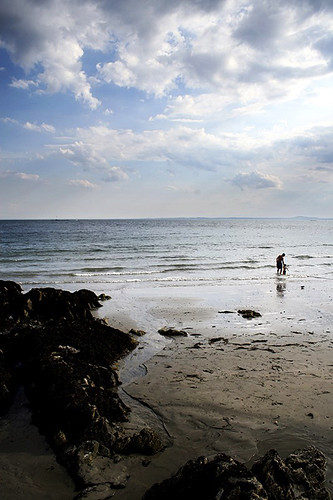
For many of us, the idea of a beach house conjures images of salt-tinged breezes, the rhythmic hush of waves, and long golden afternoons that melt into starry evenings. It is a place where the pace of life slows, where barefoot is the default, and where the line between indoors and outdoors blurs. But a beach house is more than just a pretty postcard; it is a unique kind of home, shaped by its environment and demanding a thoughtful approach to design, maintenance, and living.
Defining the Beach House
A beach house is, at its core, a dwelling located in close proximity to a beach or coastline. It can range from a modest, weathered cottage to an expansive, contemporary architectural statement. What unites them is their relationship to the sea. This relationship dictates not only the lifestyle of the inhabitants but also the very materials and methods used in construction. The classic image is often of a structure raised on stilts or piers, with wide porches, large windows, and a palette of whites, blues, and natural woods. However, the modern beach house has evolved to embrace a wider range of styles, from minimalist concrete boxes to rustic timber cabins, all while contending with the same elemental forces.
The primary distinction between a beach house and a standard suburban home lies in its environmental context. The constant presence of salt air, high humidity, intense UV radiation, and the potential for severe weather events like hurricanes or coastal storms are not occasional concerns but daily realities. A well-designed beach house is not merely built near the water; it is built to coexist with it, using materials that can withstand the corrosive marine environment and a layout that maximizes the benefits of the location while mitigating its risks.

Designing for the Elements
The most critical aspect of beach house design is durability. The marine environment is notoriously harsh on building materials. Salt spray accelerates the corrosion of metals, moisture promotes rot and mold in organic materials, and the sun’s rays fade and degrade finishes. Therefore, the selection of materials is paramount. For structural elements, pressure-treated wood, naturally rot-resistant species like cedar or teak, and composite materials are common choices. Stainless steel or specially coated aluminum is preferred for fasteners, railings, and window frames to prevent rust. Exterior cladding might include fiber cement siding, which resists moisture and pests, or high-quality vinyl that does not warp or peel.
Beyond materials, the architectural form itself must respond to the climate. Deep roof overhangs provide shade and protect walls from driving rain. Elevated foundations, common in flood-prone areas, allow storm surge to pass beneath the structure and provide ventilation to keep the underside dry. Windows are often impact-resistant and fitted with storm shutters. Ventilation is another key consideration; the constant humidity can lead to condensation and mold if a house is sealed too tightly without adequate airflow. Features like operable clerestory windows, louvered vents, and breathable building wraps help manage moisture levels.
A beach house is not a fortress against the sea, but a companion to it. Its design should honor the landscape, not fight it.
Landscaping also plays a role in protection. Native dune grasses and shrubs can stabilize the soil and provide a natural buffer against wind and salt spray. Hardscaping should be permeable to allow rainwater to drain, reducing erosion and runoff. The overall goal is to create a resilient structure that requires less maintenance over time and can weather the inevitable storms.

Interior Design and Atmosphere
The interior of a beach house should be a sanctuary of calm and comfort. The design ethos often leans toward a casual, uncluttered aesthetic that reflects the surrounding landscape. A light and airy color palette—think whites, sandy beiges, soft grays, and accents of ocean blues and greens—helps to amplify natural light and create a sense of spaciousness. Natural materials like wood, rattan, jute, and linen add warmth and texture, grounding the space in its coastal context.
Furnishings should be both comfortable and practical. Slipcovered sofas and chairs are a popular choice because the covers can be easily removed and washed, a necessity when dealing with sand and damp swimsuits. Durable fabrics like canvas, denim, or outdoor-rated performance textiles can withstand heavy use. Rugs made from natural fibers or indoor/outdoor polypropylene are forgiving under sandy feet. The overall arrangement should encourage relaxation and socializing, often centered around a large communal table or a cozy seating area with views of the water.
Decor should be curated rather than cluttered. A few well-chosen pieces—driftwood sculptures, sea glass collections, nautical maps, or artwork inspired by the ocean—can evoke the coastal spirit without resorting to kitsch. The goal is to create an atmosphere that feels effortless and inviting, a place where you can unwind without worrying about every grain of sand.

Maximizing Outdoor Living
One of the greatest joys of a beach house is the ability to live outdoors. The design should therefore prioritize seamless transitions between interior and exterior spaces. Expansive sliding glass doors or folding wall systems can open an entire wall to a deck or patio, effectively doubling the living area. Covered porches and verandas provide shade and shelter, allowing you to enjoy the outdoors even in light rain or intense sun.
Outdoor spaces should be furnished with the same care as the interior. Weather-resistant seating, dining sets, and loungers made from teak, aluminum, or all-weather wicker are essential. An outdoor shower is a practical and delightful feature for rinsing off sand before entering the house. A fire pit or outdoor fireplace extends the usability of the space into the cooler evenings. Consider also the orientation of these spaces; positioning a deck to capture prevailing breezes can make it comfortable even on hot days, while a west-facing porch is perfect for sunset views.
For those with a pool, the outdoor area becomes a true resort. A pool deck with ample lounging space, a shaded pergola, and perhaps an outdoor kitchen or bar can transform the backyard into a private oasis. The key is to create multiple zones for different activities—dining, lounging, playing—so that everyone can find their own spot in the sun or shade.
Maintenance and Care
Owning a beach house comes with a unique set of maintenance responsibilities. The constant exposure to salt, sand, and moisture means that regular upkeep is not optional; it is essential to preserving the home’s value and livability. A proactive maintenance schedule can prevent small issues from becoming major, costly repairs.
- Exterior washing: At least twice a year, wash the exterior surfaces, including siding, decks, and windows, to remove salt residue and prevent corrosion and staining.
- Inspect and seal: Annually inspect caulking, weatherstripping, and seals around windows and doors. Reapply sealant to wood decks and siding as needed to protect against moisture.
- HVAC maintenance: The salty air can quickly corrode air conditioning condensers and heat pumps. Have the system serviced regularly and consider protective coatings for the outdoor unit.
- Check for rust: Inspect all metal elements—railings, hinges, light fixtures, and fasteners—for signs of rust. Treat or replace as necessary.
- Clean gutters and drains: Ensure proper drainage to prevent water from pooling near the foundation, which can lead to erosion and structural issues.
- Pest control: The warm, humid environment is inviting to termites and other pests. Schedule regular inspections and treatments.
Inside, managing humidity is crucial. Use dehumidifiers in damp areas like basements or enclosed porches. Wipe down surfaces regularly to prevent mold and mildew. Consider using moisture-resistant paint in bathrooms and kitchens. By staying on top of these tasks, you can enjoy your beach house for decades to come.
Choosing Your Beach House
When searching for a beach house, whether to buy or rent, there are several factors to consider beyond the aesthetics. Location is paramount. Do you want to be directly on the sand, with the waves at your doorstep, or a short walk away on a quieter street? Each has its trade-offs in terms of price, privacy, and exposure to the elements. Proximity to amenities like restaurants, shops, and activities is also important, especially if you plan to rent the property to vacationers.
Think about the type of beach house that suits your lifestyle. A Cozy Cottage might be perfect for a couple or small family seeking a simple, low-maintenance retreat. Its smaller footprint is easier to care for and often comes with a charming, rustic character. On the other hand, a Modern Villa offers expansive spaces, high-end finishes, and state-of-the-art amenities for those who entertain frequently or desire a more luxurious experience. The choice ultimately depends on your personal preferences, budget, and how you intend to use the property.
It is also wise to investigate the local climate and weather patterns. Some coastal areas are prone to fog, while others enjoy year-round sunshine. Understanding the seasonal variations will help you plan your visits and prepare the house for off-season periods. Finally, consider the community. A beach town with a strong sense of place, local events, and friendly neighbors can greatly enhance your enjoyment of the property.
The Enduring Appeal
The allure of the beach house is timeless. It represents an escape from the ordinary, a place where memories are made—building sandcastles with children, sharing seafood dinners with friends, watching storms roll in from the safety of a screened porch. It is a retreat for the soul, offering a connection to nature that is both humbling and restorative. Whether it is a simple shack or a grand estate, the beach house holds a special place in our collective imagination, a symbol of leisure, freedom, and the simple pleasures of life by the sea.