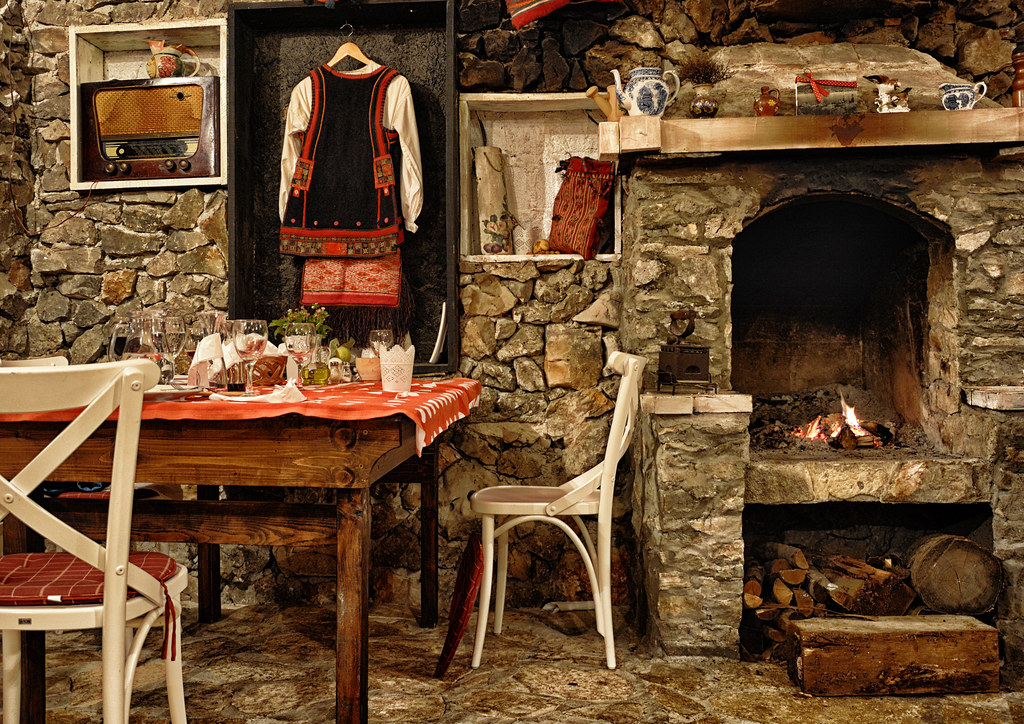
There is a quiet magic in a cottage that no other home can replicate. It is not about square footage or grand architectural statements; it is about the way a small space can hold a whole world. A cozy cottage is a place where every corner feels intentional, where the walls seem to exhale, and where the outside world feels pleasantly far away. Whether it is a stone hideaway in the countryside, a timber cabin by a lake, or a compact city bungalow, a cozy cottage is less a building type and more a state of mind.
What Makes a Cottage Cozy?
The word “cozy” is often used loosely, but in the context of a cottage it has a very specific meaning. Coziness is the feeling of being enveloped, protected, and at ease. It is created by a combination of scale, materials, light, and personal touches. A cottage that feels cozy is usually modest in size, with rooms that are intimate rather than cavernous. Low ceilings, deep window sills, and thick walls contribute to a sense of shelter. Natural materials like wood, stone, and wool add warmth, while soft, layered lighting replaces harsh overhead glare.
But coziness is not just physical. It is also emotional. A cozy cottage invites you to slow down, to make a pot of tea, to read a book in a window seat. It is a home that encourages rituals: morning coffee on the porch, an afternoon nap by the fire, evening board games at a small table. In a world that often feels oversized and fast, the cozy cottage is a deliberate counterpoint.

The Essential Elements of a Cozy Cottage
While every cottage is unique, certain elements consistently contribute to a cozy atmosphere. Understanding these can help you create or enhance that feeling in your own space, whether you live in a historic cottage or a modern apartment.
1. Warm, Natural Materials
Wood is the soul of a cottage. Exposed beams, plank floors, and timber paneling bring an immediate sense of warmth and history. Stone, whether in a fireplace or a wall, adds texture and a connection to the earth. Soft furnishings in natural fibers—wool blankets, linen curtains, cotton quilts—invite touch and comfort. Avoid cold, synthetic materials that feel impersonal; instead, choose pieces that age gracefully and tell a story.
2. Intimate Scale and Proportions
A cozy cottage is not a cavernous great room. Ceilings are often lower, doorways narrower, and rooms smaller. This is not a flaw but a feature. Small spaces are easier to heat, easier to fill with personal belongings, and easier to keep tidy. They encourage closeness—both physical and emotional. If you are building or renovating, resist the urge to open everything up. Instead, preserve the distinct rooms and nooks that give a cottage its character.

3. A Focal Point of Warmth
Every cozy cottage needs a heart, and that heart is usually a fireplace or wood stove. The sight and sound of a crackling fire is the ultimate symbol of comfort. Even a small electric or bioethanol stove can provide a visual anchor. Arrange seating around this focal point, not facing a television. The fire becomes a gathering place, a source of light and warmth that draws people together.
4. Layered, Soft Lighting
Harsh overhead lighting is the enemy of coziness. Instead, use multiple sources of light at different heights: table lamps with warm bulbs, wall sconces, candles, and perhaps a string of fairy lights. Dimmer switches allow you to adjust the mood. In the evening, a cottage should glow softly, with pools of light and gentle shadows. This kind of lighting flatters faces, relaxes the eyes, and makes everything feel more intimate.
5. Personal, Collected Decor
A cozy cottage is never a showroom. It is filled with things that have meaning: family photographs, books read many times, pottery from a local artisan, a quilt made by a grandmother. These objects are not just decoration; they are memory made visible. Display them without fear of clutter. A cottage can handle a certain amount of visual richness—it is part of its charm. The key is to curate, not accumulate. Choose pieces that bring joy and tell your story.

“A cottage is a small house with a big heart. It is not the size of the rooms that matters, but the size of the life lived within them.”
Designing Rooms for Maximum Coziness
Each room in a cottage has its own role to play in creating an overall feeling of comfort. Here is how to approach the key spaces.
The Living Room: A Nest for Gathering
The living room is where coziness is most expected. Start with comfortable seating—a deep sofa, a couple of armchairs, perhaps a window seat. Arrange them close together, facing each other or the fireplace, to encourage conversation. Add a thick rug underfoot, soft throws over the arms of chairs, and plenty of pillows. Bookshelves filled with well-loved volumes add both visual warmth and a sense of leisure. If space allows, include a small table for games or puzzles.
The Kitchen: The Warm Heart
In a cottage, the kitchen is often the busiest room. It should feel welcoming, not clinical. Open shelving with dishes and jars of dry goods, a wooden table for meals, and a window over the sink with a view of the garden all contribute to a cozy feel. A vintage stove or a farmhouse sink adds character. Even in a small kitchen, a chair or two for a visitor makes the space feel social. The smell of baking bread or a simmering soup is perhaps the ultimate cozy kitchen accessory.
The Bedroom: A Sanctuary for Rest
A cozy bedroom is a retreat. The bed should be the star: layered with a good mattress, soft sheets, a down duvet or quilt, and an abundance of pillows. Keep the color palette calm and soothing—soft blues, warm grays, gentle greens. Blackout curtains or wooden shutters help create a cave-like feel for deep sleep. A small reading nook with a lamp and a stack of books is a lovely addition. Avoid televisions and work-related items; the bedroom should be for rest and intimacy only.
The Bathroom: Unexpected Comfort
Even a bathroom can be cozy. Think of a deep soaking tub, a stack of fluffy towels, and a candle on the windowsill. Natural materials like wood and stone work well here. If space is tight, a small stool or basket adds warmth. A plant or two brings life. The goal is to make the bathroom feel like a spa, not a sterile cubicle. A heated towel rail is a small luxury that makes a big difference on a cold morning.
Seasonal Coziness: Adapting Your Cottage Year-Round
A cozy cottage is not just for winter. Each season offers its own version of comfort.
- Spring: Open the windows to let in fresh air. Bring in branches of blossom or pots of bulbs. Swap heavy throws for lighter quilts in pastel colors. Enjoy the first meals outdoors on a small patio.
- Summer: Keep the cottage cool with cross-ventilation and light cotton curtains. Use outdoor spaces as extra rooms—a hammock, a picnic table, a fire pit for evening gatherings. Fresh flowers from the garden brighten every room.
- Autumn: This is the cottage’s golden hour. Bring out wool blankets and chunky knit pillows. Light candles as the days shorten. Fill the kitchen with the smells of apple pie and roasted vegetables. Stack firewood for the coming cold.
- Winter: The ultimate cozy season. Keep the fire going, pile on the quilts, and make hot cocoa. Use candles and string lights to combat the early darkness. A pot of soup on the stove and a board game on the table are perfect winter cottage activities.
Creating Coziness in Any Home
You do not need a thatched roof or a stone fireplace to enjoy cottage coziness. The principles can be applied to any home, from a city apartment to a suburban house. Focus on warmth, texture, and personal meaning. Choose furniture that invites you to sit and stay. Layer rugs and textiles. Use lamps instead of overhead lights. Display the things you love. And most importantly, slow down. Coziness is as much about how you live as it is about how you decorate.
If you are drawn to other architectural styles, you might find inspiration in our Modern Villa guide, which explores a different kind of comfort—one of clean lines and open space. Or, if you dream of the sea, our Beach House article offers ideas for coastal living. But for pure, enveloping warmth, nothing beats the cozy cottage.
Final Thoughts: The Cottage as a Way of Life
A cozy cottage is more than a building; it is a philosophy. It is a choice to value comfort over status, intimacy over expansiveness, and warmth over cold perfection. It is a home that asks little of you but gives much in return. Whether you live in a centuries-old stone cottage or are simply trying to bring a bit of that spirit into your modern home, the goal is the same: to create a space where you can truly relax, connect, and be yourself.
So light a candle, put on the kettle, and pull a blanket over your knees. The cozy cottage life is waiting for you.